
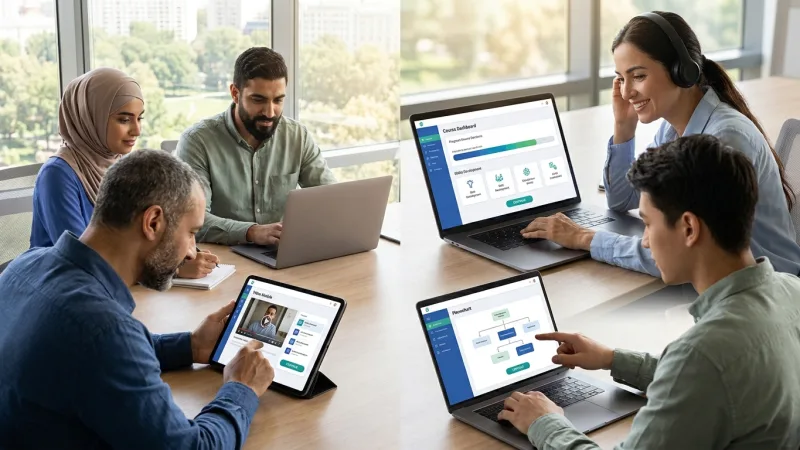
While 89% of L&D leaders believe in personalized learning, only 23% have successfully implemented flexible programs. You’re likely one of those leaders striving against the odds. This data-driven framework is your key to shift from aspiration to execution, featuring a 5-stage implementation strategy, technology recommendations, and a 90-day rollout plan. It’s your route to convincing execs with hard numbers, like cutting costs from $1,200 to $800 per employee and driving 3x better ROI. Dive in to learn how to change your training outcomes and leave behind the average 45% completion rates of generic programs.
The Business Case: Why Personalized Learning Paths Drive 3x Better ROI
The bottom line is clear: personalized learning paths outperform generic training with a 78% vs. 45% completion rate. Imagine your employees not just finishing training but thriving in their roles faster, reducing skill acquisition time by 73%. This efficiency also translates to financial gains, as a personalized approach costs about $800 per employee compared to the typical $1,200. The best approach to gaining executive buy-in is to present these compelling figures alongside a customized ROI calculator.
|
Metric |
Generic Training |
Personalized Training |
|
Completion Rate |
45% |
78% |
|
Cost Per Employee |
$1,200 |
$800 |
|
Skill Acquisition |
Standard |
73% Faster |
|
Employee Retention |
Standard |
41% Higher |
By using a benchmark from over 500 companies, you can reassure decision-makers about the strategic advantage of implementing personalized learning paths. This isn’t just about improvement; it’s about fundamentally altering how your organization views learning. For more insights on driving engagement, read Personalized Learning Paths: 78% Completion vs 45% Generic Training.
The 5-Stage Personalized Learning Path Framework (SPARK Method)
The SPARK method is your blueprint, specific, practical, and unlike anything else on the market. This 5-stage framework ensures you’re not just adding new features but creating a lasting impact. Let’s walk through this method step by step.
Survey: Skills Assessment
Start with a detailed skills assessment. Use surveys or competency checklists to pinpoint current capabilities and gaps. This sets the stage for personalized growth, ensuring employees engage with content that matters.
Profile: Role Mapping
Mapping roles accurately is important. Define roles beyond titles by considering tasks, required skills, and career aspirations. This profiling will guide customized path creation.
Align: Career Goals
Aligning learning paths with individual career objectives increases motivation and ownership. Have one-on-one career discussions to tailor learning content that aligns with future aspirations.
Route: Path Creation
Create a learning route that combines theoretical and practical knowledge. This may involve online courses, workshops, and job-shadowing experiences. Ensure each path includes checkpoints for self-assessment and feedback.
Keep: Progress Tracking
Finally, establish a strong system for tracking progress. Regularly review these paths to ensure they remain relevant and effective. Use analytics to derive insights and adapt paths swiftly.
Implementing the SPARK Method can take as little as 12 weeks with a well-organized timeline and resource allocation plan. To get started on a structured approach, explore our 5-Step Framework for Personalized Learning Paths.
Role-Based Learning Architecture: 8 important Employee Personas
To maximize the impact of your learning paths, tailor them to specific employee personas. Think beyond traditional roles and consider the nuances of your workforce. Here’s a matrix you can use:
|
Persona |
Learning Preferences |
Path Structure |
|
Technical Specialists |
Hands-on, Detailed Courses |
Lab Sessions, Certifications |
|
People Managers |
Leadership Workshops |
Mentorship, Leadership Programs |
|
Individual Contributors |
Tactical, Quick Learning |
Microlearning, Short Courses |
|
Cross-functional Leaders |
Strategic Insights |
Cross-department Projects |
|
New Hires |
complete Induction |
Onboarding, Mentorship |
|
High Potentials |
Fast-track Programs |
Stretch Assignments |
|
Remote Workers |
Self-paced, Flexible |
Online Modules, Virtual Meetings |
|
Compliance-Critical Roles |
Regular Updates, Assessment |
Compliance Courses |
Understanding and applying these personas ensures tailored content delivery. If you’re looking to create change paths, check out Build Personalized Learning Paths: 73% Failure Rate Fix.
Technology Stack: important Tools for flexible Path Management
The right technology is not just helpful; it’s important. Your Learning Management System (LMS) forms the backbone of personalized learning paths. But what qualifies as the right LMS or tool?
Learning Management Systems (LMS)
Your LMS should support personalization features, integration with HRIS/ATS, and strong reporting capabilities. Consider options that offer AI-driven recommendations to further tailor the learning experience. For a deeper dive, check Next-Gen Personalized Learning Platforms for Smarter Training.
Progress Tracking Systems
Progress tracking is non-negotiable. Choose platforms that offer detailed analytics, allowing for real-time adjustments to paths. This ensures every training dollar is well spent.
AI-Powered Recommendation Engines
Integrating AI can significantly improve your system’s ability to offer personalized content dynamically. This leads to more engaging and effective training experiences.
|
Tool Type |
Budget Range |
Complexity Rating |
|
LMS |
$10,000-$50,000/year |
Medium |
|
Progress Tracking |
$5,000-$15,000/year |
Low |
|
AI Recommendation |
$20,000-$100,000/year |
High |
By choosing the right tools, you ensure smooth implementation of personalized learning paths. Explore more about suitable LMS options with Top LMS Platforms for Corporate Training & Higher Ed in 2026.
Content Curation Strategy: Building Your Learning Library
Content is king, but how do you choose what to include in your learning library? Here’s a strategic approach to content curation using the 70-20-10 model:
Internal vs. External Content
Your library should balance internal expertise and external resources. Aim for a 60% internal and 40% external content ratio. Internal content includes process documentation and expert videos, while external content comprises industry standards and new tech insights.
Microlearning Modules
Microlearning delivers information in small, focused bursts, making it highly effective for busy professionals. Consider creating 10-minute modules for quick skill acquisition.
Just-in-Time Resources
Provide resources at the moment of need, such as quick reference guides and video tutorials. These are important for improving performance on the fly.
Establish a content lifecycle management process to regularly update and retire outdated content. For more detailed insights on content creation, see Build Personalized Learning Paths: 340% ROI Framework.
Implementation Roadmap: 90-Day Launch Plan with Milestones
change strategy into action requires a solid implementation roadmap. Here’s how you can structure the first 90 days:
Weeks 1-30: Foundation Setup
Focus on selecting the right tools and resources. Secure executive buy-in with a presentation on expected outcomes and begin mapping learning paths for key personas.
Weeks 31-60: Pilot Program
Launch a pilot with a small group across different personas. Collect data on engagement and completion rates to refine your approach.
Weeks 61-90: Full Rollout
Use insights from the pilot to adjust content and path structures. Roll out the program company-wide, ensuring all employees have access to the newly curated learning paths.
For each stage, assign specific resources and set clear, measurable goals. For risk mitigation strategies and more, explore AI Personalized Learning Paths: 340% ROI in 18 Months.
Measuring Success: KPIs That Matter to Leadership
In the end, the success of personalized learning paths hinges not just on employee engagement but on tangible business outcomes. Here’s how to measure it:
Engagement Metrics
Track completion rates, time spent on learning platforms, and feedback scores. These indicators demonstrate immediate employee interaction with content.
Performance Improvement
Monitor changes in on-the-job performance metrics pre- and post-training. This directly links learning paths to business results.
Business Impact Measures
Evaluate metrics such as revenue growth, cost savings, and project delivery times. These provide a macro view of the financial benefits.
Incorporate these KPIs into monthly reporting frameworks to keep leadership informed of progress and ongoing value. For a benchmark comparison tool, visit Personalized Learning Paths: 40% Higher Engagement in 90 Days.
FAQ
What are personalized learning paths?
Personalized learning paths are customized training programs designed to meet individual employee needs and career goals. They consider skills, role requirements, and personal objectives to develop relevant learning experiences, leading to better engagement and skill acquisition.
How long does it take to create personalized learning paths?
Creating personalized learning paths can vary, but a structured approach like the SPARK method typically requires around 12 weeks. This timeline includes skills assessment, path creation, and implementation across the organization.
What’s the difference between personalized and adaptive learning paths?
Personalized learning paths tailor content to individual needs and career goals, while adaptive paths use algorithms to adjust content in real-time based on user interactions. Both aim to improve learner engagement and effectiveness.
How much do personalized learning paths cost to implement?
Costs can range from $800 to $1,200 per employee, depending on the extent of personalization and technology used. Effective path management and content curation can lead to significant cost savings over time.
What ROI can I expect from personalized learning paths?
Organizations typically see a threefold increase in ROI compared to traditional training methods. This comes from higher engagement rates, faster skill acquisition, and improved retention, directly impacting business outcomes.
Building personalized learning paths is more than just a strategic advantage; it’s a necessity for future-proofing your workforce. Start with a clear roadmap, use the right tools, and measure success rigorously. Soon, you’ll not only keep pace with change but shape it.